
By Sabahat Ali – Link building expert since 2009 – 668+ clients served
KEY STATISTICS
- Backlinko original case study: 110% organic traffic increase in 14 days [Backlinko]
- Skyscraper 2.0 case study: 652% organic traffic increase in 7 days [Backlinko]
- 2024 SaaS case study: 36% monthly organic traffic lift + 50 new referring domains in 6 months [SEOPital]
- Only 6.2% of experts rated skyscraper as effective in their 2024 survey [Editorial.Link]
- 17x organic growth (600 to 10,000+ visitors) in 6 months for one campaign [Stan Ventures]
- 80% of webmasters who respond to outreach now demand payment [Our data, 100K+ emails]
Does the skyscraper technique still deliver results in the current SEO landscape? Like many legacy strategies, its effectiveness depends entirely on execution rather than just following a decade-old formula.
Let’s dive into how to master this high-impact strategy today.
What is the meaning of skyscraper technique?
The skyscraper technique is a content-driven SEO strategy where you identify high-performing content that has already earned significant backlinks, create a superior version of that asset, and then reach out to the original linkers to earn high-authority backlinks to your new, improved page.

Coined by Brian Dean of Backlinko in 2013, the method relies on a simple human psychological trigger: the desire to link to the “best” or most “up-to-date” resource available on a specific topic.
The skyscraper technique isn’t just about writing more words; it’s about creating a “shiniest edifice” that naturally attracts traffic and authority. To succeed, your content must offer more value, better data, or superior design than the current ranking leaders.

A common misconception is that “better” equals “longer.” If a competitor has 3,000 words, simply writing 3,200 words won’t guarantee a higher rank. Google prioritizes Helpful Content that satisfies user intent efficiently.
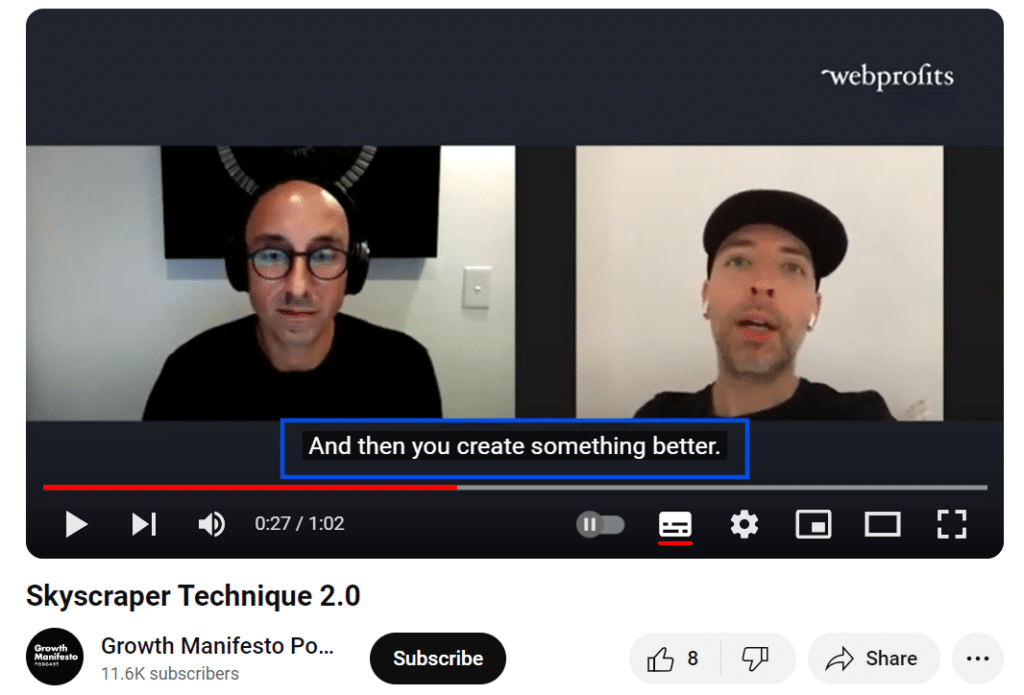
The formal definition: The skyscraper technique is a content-centric link building strategy that involves refining existing popular content and replicating its backlink profile to gain a competitive advantage.
How does skyscraper link building work?
Successful skyscraper link building follows a high-efficiency 3-step funnel:
- Identify: Find proven, high-performing content with a massive volume of quality referring domains.
- Optimize: Build a superior version that adds unique value, better visuals, or updated data.
- Promote: Execute targeted outreach to the original content’s referring domains to secure backlinks.
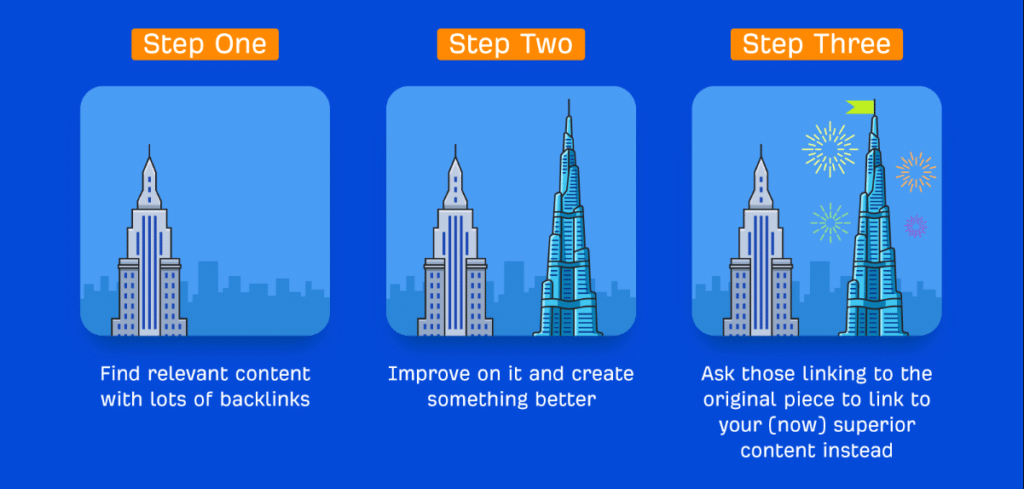
Step 1: Finding Linkable Assets
Focus on “linkable assets”—resources so valuable that competitors feel compelled to cite them. This includes proprietary reports, original surveys, or free tools. When analyzing targets, look beyond link quantity; prioritize relevance and the quality of the domains currently linking to them.
Step 2: Building the Superior Version (The DUD Framework)
To outclass the competition, use the DUD framework:
- D – Design: Enhance the UX. Use interactive outlines, better typography, and original visuals.
- U – Update: Replace outdated stats from 2021 with 2026 data. Add fresh industry perspectives.
- D – Depth: Fill the “content gaps.” Don’t just list facts—provide analysis, case studies, and actionable execution steps.
Step 3: Strategic Outreach
Outreach is the engine of the skyscraper method. Don’t wait for passive discovery. Identify the prospects already linking to inferior content and present your asset as a “value-add” update for their readers.
What are the benefits of the skyscraper technique?
- Aggressive Ranking Potential: You aren’t guessing what works; you are improving upon a proven winner.
- Enhanced Content Quality: The process forces you to adhere to EE-A-T principles, improving your overall site quality.
- Validated Demand: You target topics that already have a proven appetite for links and shares.
- Scalable Authority: Consistently executing this builds niche authority that makes future ranking easier.
Huge ranking potential
By targeting keywords where high-ranking content is outdated or thin, you leverage a “proven path” to the top of the SERPs. When your content provides a better user experience and earns more relevant links, Google’s algorithms naturally favor your site as the definitive source.
Improved content quality
Analyzing competitor strengths—such as their use of video or proprietary data—allows you to adopt and improve those elements. This process elevates your brand’s editorial standards, making you a trusted authority in your niche.
Ready demand for your content
The skyscraper technique eliminates the risk of “content that no one wants.” By modeling successful assets, you ensure there is already a market of readers and webmasters interested in your topic.
Natural backlinks
High-quality skyscraper content often triggers “the snowball effect.” Once you secure initial links through outreach, the content’s high ranking leads to more natural links as other writers find your page as the primary source for the topic.
Improved site authority
Consistent use of this technique signals to search engines that your site is a hub of deep, reliable information. This builds “Topical Authority,” which helps all your pages rank better, not just the skyscraper posts.
How does the skyscraper technique compare with other content-related strategies?
While often grouped together, the skyscraper technique serves a different purpose than topical clusters or cornerstone pages. The table below outlines the key differences:
| Strategy | Primary Focus | Key Strength | Link Profile |
|---|---|---|---|
| Skyscraper Technique | Outranking a specific competitor asset | High backlink acquisition potential | External |
| Topical Cluster | Comprehensive coverage of a broad topic | Internal authority & semantics | Internal |
| 10X Content | Creating the “ultimate” unique resource | Unmatched brand authority | Viral/Natural |
Topical cluster
A topical cluster uses a central “pillar” page linked to multiple “cluster” posts. While the skyscraper technique treats individual articles as pillars, clusters focus more on internal linking and broad topical coverage rather than aggressive external link building.
Cornerstone pages
Cornerstone pages are the foundational articles that explain your core business concepts to new visitors. They focus on longevity and conversion, whereas a skyscraper post is primarily an outreach asset designed to earn authority.
10X content
10X content aims to be ten times better than the next best thing on the internet. While similar to the skyscraper technique, 10X content often focuses more on format innovation (like custom tools or interactive apps) rather than just improving an existing written post.
Does it work?
[Case Study: 17X Organic Growth]
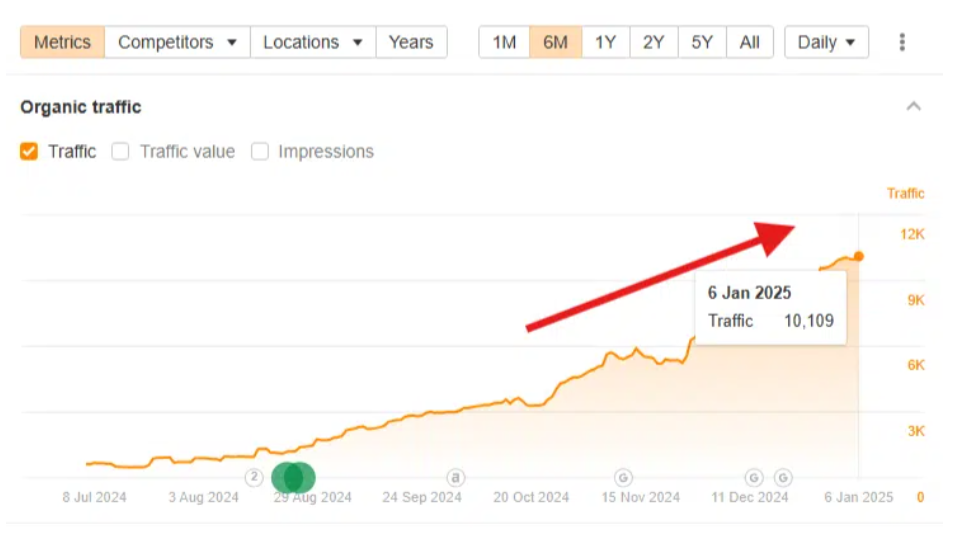
In 2024, Stan Ventures applied the skyscraper technique by refreshing stagnant content and executing strategic outreach. Within 6 months, their organic traffic surged from 600 to over 10,000 monthly visitors.
[Case Study: Outranking High-DR Competitors]
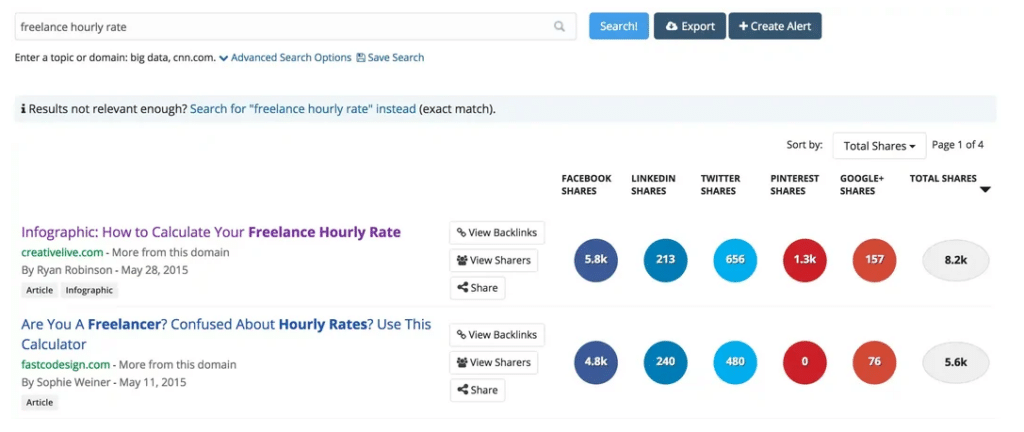
Ryan Robinson used a skyscraper-style infographic to outrank Fast Company (a 91 DR site). By focusing on better design and targeted tool-owner outreach, he secured 72K page views and thousands of subscribers.
[Case Study: The Original Backlinko Success]
Brian Dean’s OG study showed a 110% increase in traffic in just 14 days. This single post eventually earned over 2 million page views through sustained backlink growth.


Does skyscraper link building work in 2026?
The “death” of the skyscraper technique is often exaggerated. While some marketers report zero results, this is typically due to low-effort outreach or “content spinning.”

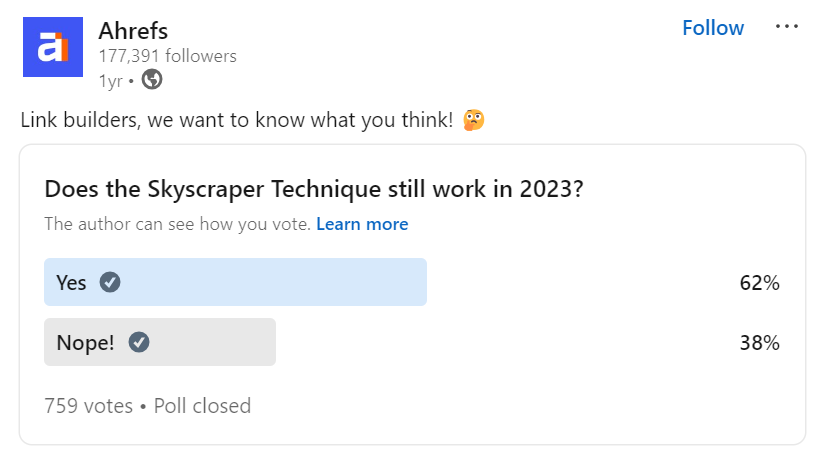
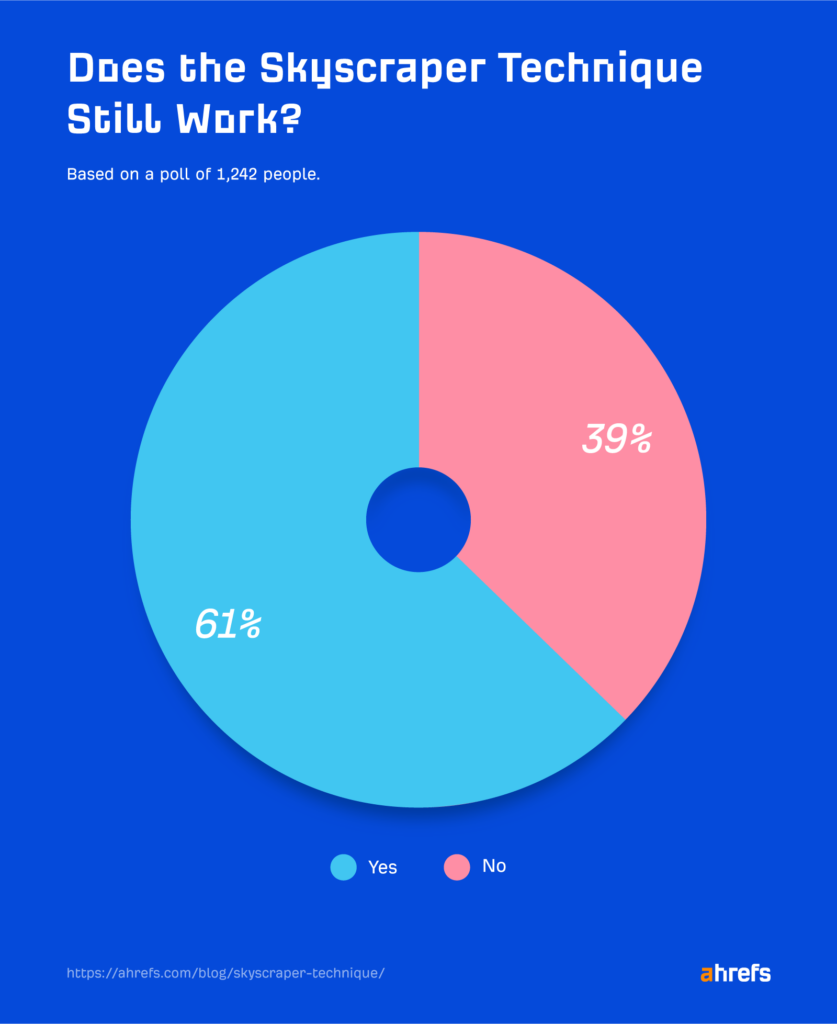
Critics point to failures like the 2017 Search Engine Journal story where 40 hours of work yielded no links. However, industry data tells a different story. In a recent poll by Ahrefs, 61% of SEOs confirmed that skyscraper link building still works when executed correctly.

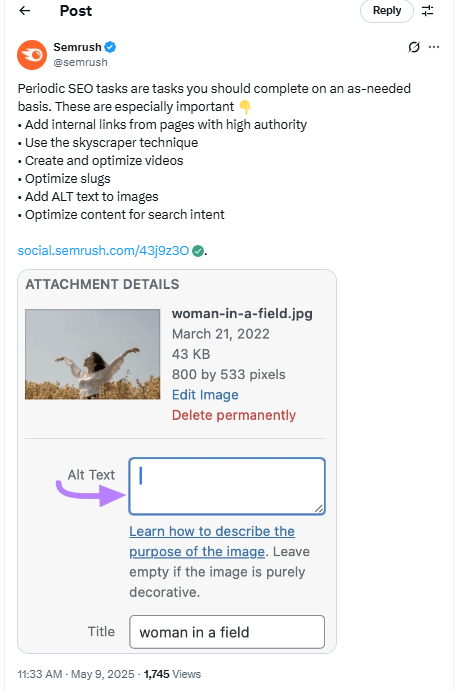
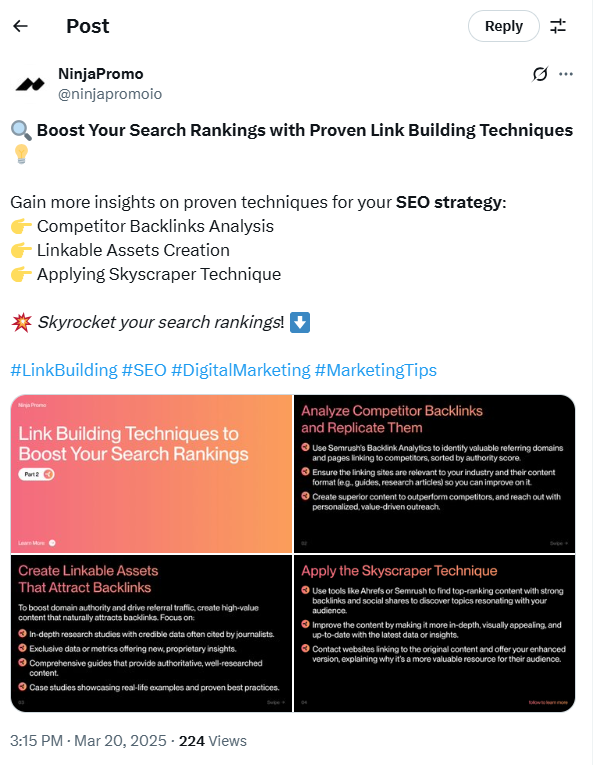
In 2026, tools like Semrush and platforms like NinjaPromo continue to endorse this as an evergreen strategy for securing high-quality links.
The Verdict: It works, but the “barrier to entry” for content quality is much higher than it was in 2013.

When does skyscraper link building not work?
- Discarding Keyword Research: If you find a link-heavy post but the keyword has zero search volume, you’ll get links but no traffic.
- Dismissing Search Intent: Google favors content that solves the user’s specific problem. Length is secondary to utility.
- Limiting Outreach: Only targeting the original content’s linkers is too narrow. You must expand to all relevant topical prospects.
- Template Spamming: Generic “I saw your link” emails are instantly deleted. Personalization is mandatory.
- Prioritizing Word Count: Google doesn’t rank by weight. It ranks by value and user signals.
When you discard keyword research
Keyword research is the foundation. It ensures that the effort you put into the skyscraper technique translates into sustainable organic growth. High-ranking pages with low traffic are a result of poor keyword targeting.
When you dismiss search intent
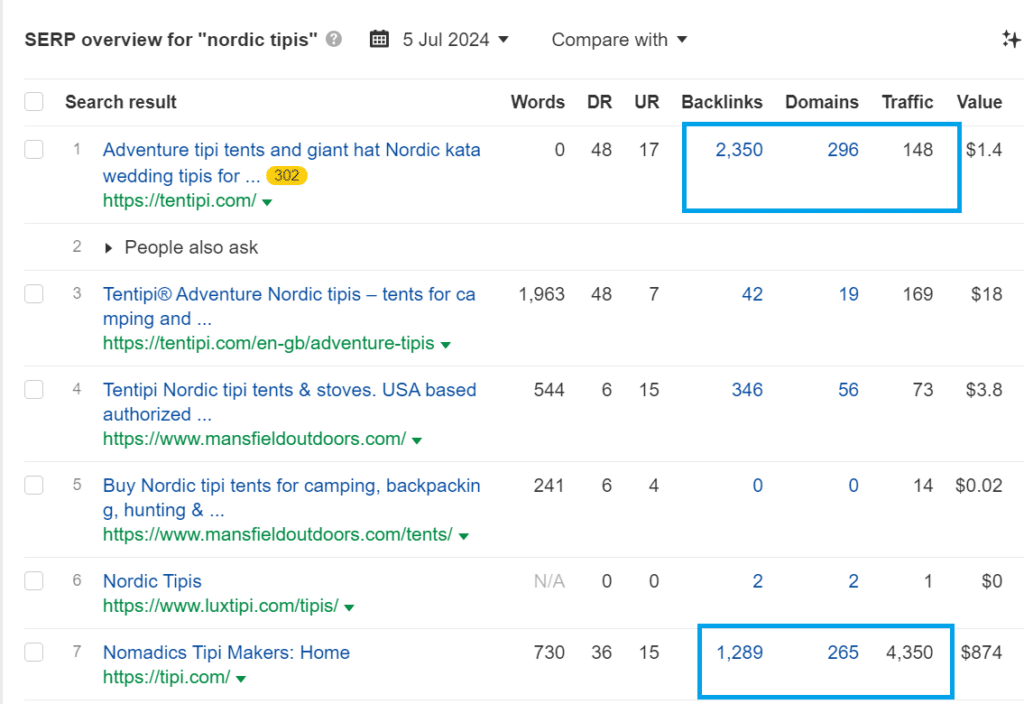
A post with 2,000 backlinks can still be outranked by a page with 100 links if the latter satisfies search intent more effectively. Google’s priority is relevance, not just link count.

When you limit outreach to backlinks of the original content
A smart strategist looks at the entire SERP. Target referring domains for the top 5 ranking results for your keyword, not just the single “skyscraper” candidate you modeled.
When you send the same outreach pitch to your prospects
Modern webmasters are savvy. They can spot a skyscraper template from a mile away. Your pitch must explain exactly why your resource is a better experience for their specific audience.
When you think Google cares more about the longest posts
The “longest post” cycle leads to thin, bloated content that users bounce from. Focus on being the most helpful source. If you can solve the user’s problem in 1,000 words while others take 5,000, Google will notice the better user signals.
The Correct & Effective Way to Use Skyscraper Link Building
- Explore and dig up linkable assets via competitor analysis.
- Create high-value content using the DUDO method.
- Optimize for AI-driven search (Generative Engine Optimization).
- Execute high-personalization outreach.
Explore and dig up relevant content
Use these three methods to find your skyscraper targets:
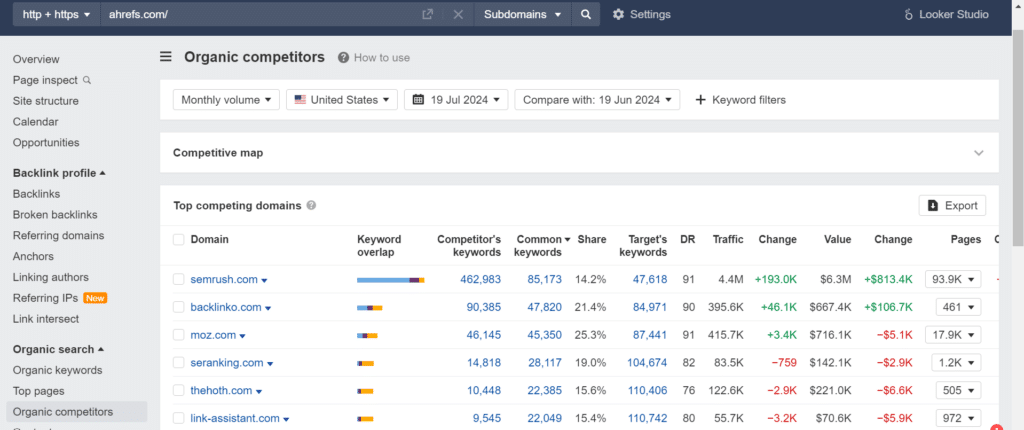
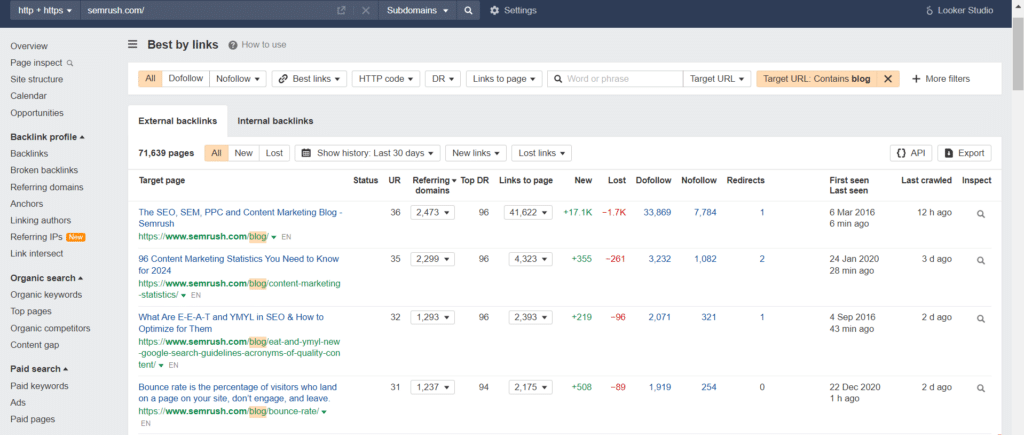
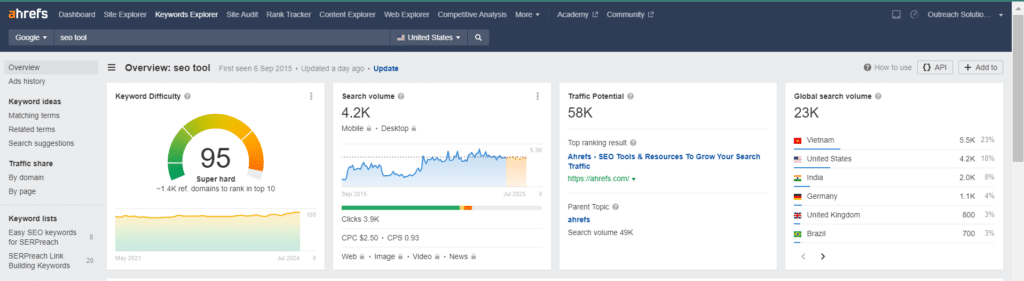
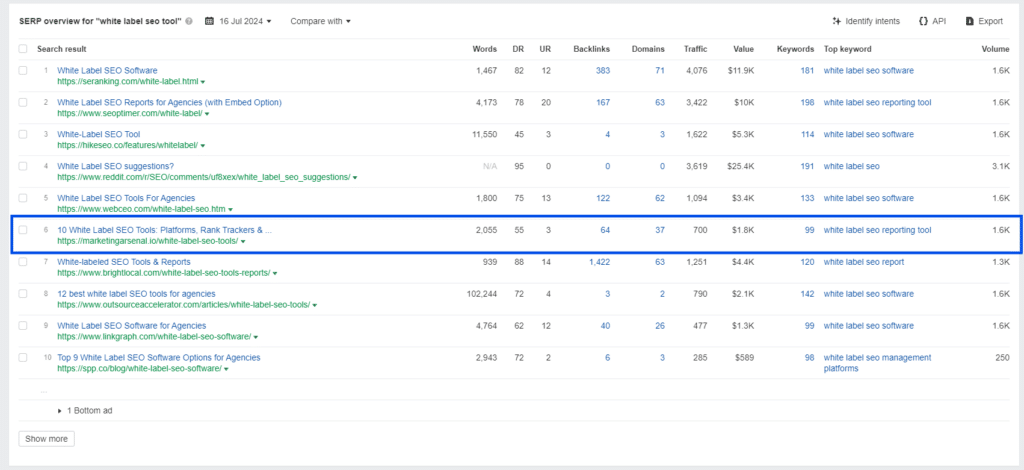
- Competitor Analysis: Identify “best by link” pages for your top 5 competitors.
- Exploding Topics: Find surging trends before they become over-saturated.
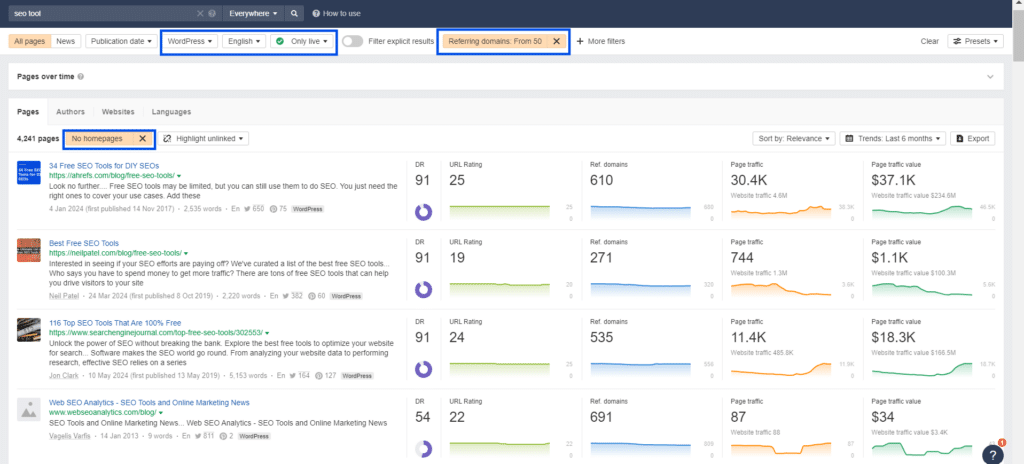
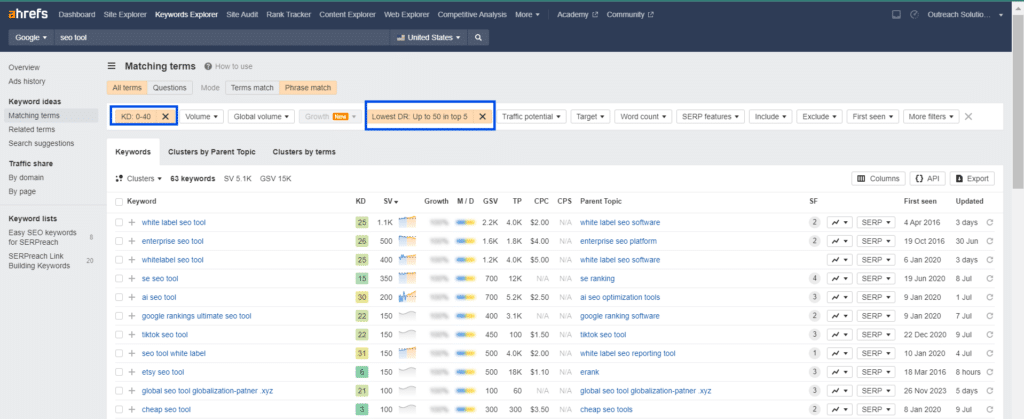
- Keyword Research: Look for “informational” keywords with high link counts in the top SERP positions.
Create skyscraper content around your target keyword
Apply the DUDO method (Design, Update, Depth, On-page Optimization):
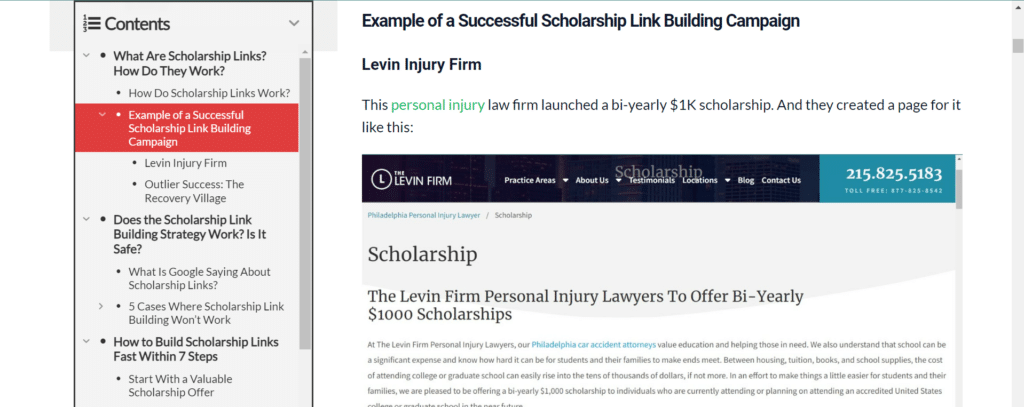
- Design: Use interactive elements and custom screenshots to improve time-on-page.
- Update: Ensure all facts, UIs, and stats are current for 2026.
- Depth: Add expert quotes, contrarian viewpoints, and detailed “how-to” steps.
- On-page Optimization: Use entities and LSI keywords to ensure semantic relevance.
Optimize for AI-driven search engines
With Google AI Overviews and ChatGPT-Search, the skyscraper technique must evolve. To appear in AI summaries:
- Use clear “Question-Answer” headers.
- Include a “Key Takeaways” summary at the top.
- Maintain a high “information density” per paragraph.
Outreach
Successful outreach is a systematic process. Follow these steps to maximize your conversion rate:
- Export the backlink list for the target article.
- Identify the correct editor or content manager via LinkedIn.
- Verify their email using a tool like GetProspect.
- Send a personalized, value-driven pitch.
- Backlinko. Skyscraper Technique: +110% Traffic Case Study. backlinko.com
- Backlinko. Skyscraper 2.0: 652% Traffic Increase. backlinko.com
- SEOPital. (2025). Skyscraper Technique: Does It Still Deliver? seopital.co
- Editorial.Link. (2025). 518 Expert Survey. editorial.link
- Stan Ventures. Skyscraper Implementation Guide. stanventures.com
- Search Engine Land. The Skyscraper Technique in the AI Era. searchengineland.com
- Frank Agency. (2026). 37 Link Building Statistics. thefrankagency.com
- Backlinko. Content Study. backlinko.com




[Interactive Asset: Skyscraper Outreach Script]
“Hi [Name], I was reading your post on [Topic] and noticed you linked to [Competitor Article]. It’s a great resource, but I noticed it hasn’t been updated since [Year]. I just published an updated guide for 2026 that includes [Unique Value/New Data]. I thought your readers might find it more relevant. Either way, keep up the great work with [Their Site Name]!”
Only 3% of published content generates more than one backlink [Frank Agency]. The skyscraper technique targets this gap by improving on existing top-performing content. Long-form content (3,000+ words) generates 77.2% more backlinks [Backlinko], making comprehensive skyscraper content particularly effective.
Verdict
The skyscraper technique remains a powerhouse SEO strategy. While low-quality attempts will fail, a focus on the DUDO framework—Design, Updates, Depth, and On-page optimization—ensures your content stands tall above the competition. It’s not about being the first; it’s about being the best.
For more link building strategies, see our 20-point checklist, guest posting, niche edits, and broken link building guides. For costs, check our pricing guide.
The Honest Assessment: Does Skyscraper Still Work in 2026?
Yes, but the success rate has dropped significantly. Only 6.2% of experts in the Editorial.Link survey rated it as an effective strategy [Editorial.Link]. The main reasons:
- Webmaster fatigue. Site owners receive dozens of “I made something better” emails weekly. The pitch feels like cold outreach now, not a genuine value proposition.
- Payment expectations. From our 100,000+ outreach emails, 80% of webmasters who respond now demand payment. Free link exchanges based on “better content” are increasingly rare.
- Competition. Everyone knows the technique. The content bar keeps rising, making it harder to genuinely outperform existing top-ranking pieces.
When it still works: The technique delivers when you add genuinely new data, original research, or a perspective that existing content doesn’t have. Simply making content “longer and prettier” is no longer enough. The campaigns that succeed in 2025-2026 pair skyscraper content with paid outreach or digital PR [Search Engine Land].
Disclosure
SERPreach is a link building agency. The skyscraper technique is one of many strategies we evaluate for clients.

