
By Sabahat Ali – Link building expert since 2009 – 668+ clients served
KEY STATISTICS
- 48.6% of SEOs rate digital PR (including HARO) as the #1 most effective link building tactic [Editorial.Link, 518 experts]
- HARO pitch response rate: 10-25% depending on niche [harolinkbuilding.com]
- Single HARO queries receive 100-300 pitches on average [ContentMation]
- 91% of journalists prefer one-to-one email pitches [Outreach Monks]
- Pitches under 200 words get the highest response rates [Outreach Monks]
- HARO was relaunched by Featured.com in April 2025 after Connectively shut down [harolinkbuilding.com]
A lot has changed since we first published this piece on HARO link building in September 2024. Here is a quick recap of the shifting landscape:
- The original HARO (later rebranded as Connectively) was permanently shut down in November 2024.
- Peter Shankman, HARO’s original founder, relaunched the concept as Help Every Reporter Out (HERO), now known as Source of Sources.
In April 2025, Featured.com acquired the HARO brand, officially relaunching it to consolidate the journalist-source ecosystem.
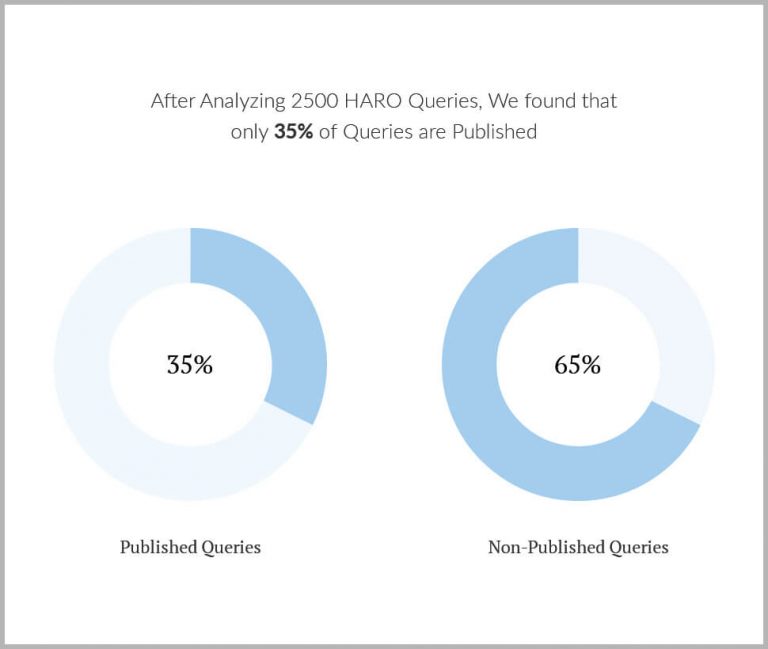
Despite the rebranding, the HARO link building strategy remains the same: provide expert insights to journalists in exchange for high-authority editorial links. However, competition is fierce. Data suggests that only 30% of relevant queries successfully result in a published mention.
To succeed, you must master the rules of engagement and the art of the pitch. This guide provides a proven framework to secure HARO links even as a beginner.
What Is HARO: How Does It Work?
HARO link building is an SEO strategy where you provide expert quotes to journalists in exchange for high-authority backlinks. By monitoring platforms like “Featured” or “Source of Sources,” you respond to media queries, earning editorial mentions that boost your site’s credibility and search engine rankings.
Note:
“HARO links” is now a categorical term. It encompasses links earned through journalist outreach platforms like Source of Sources, Featured, HelpAB2BWriter, and Qwoted.
HARO acts as a bridge between media professionals and credible sources. Journalists get the data or quotes they need to finish a story, and you receive a high-value backlink and brand exposure.
Link Building Strategy Comparison
| Strategy | Effort Level | Link Quality | Main Benefit |
|---|---|---|---|
| HARO Link Building | High (Pitching) | High (Editorial) | Top-tier media placements |
| Guest Posting | High (Content) | Medium-High | Full control over content |
| Niche Edits | Low | Medium | Fast execution |
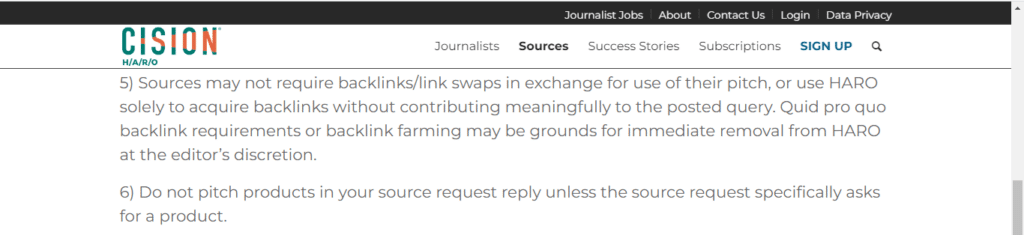
Strictly speaking, HARO’s guidelines discourage using the platform solely for SEO. However, by providing genuine expert value, you naturally earn the links you’re after.
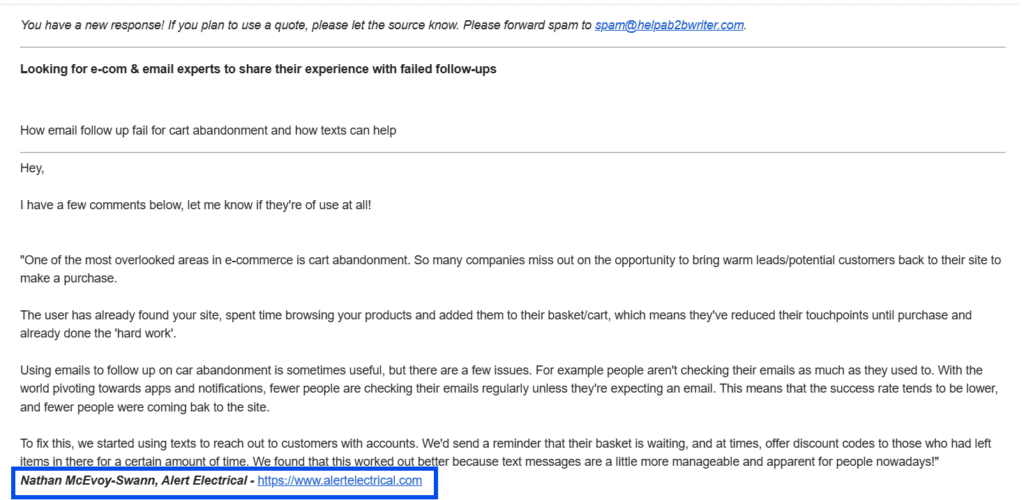
How Does HARO Work?
- Registration: Sign up at helpareporter.com (or its current iteration) as a “Source.”
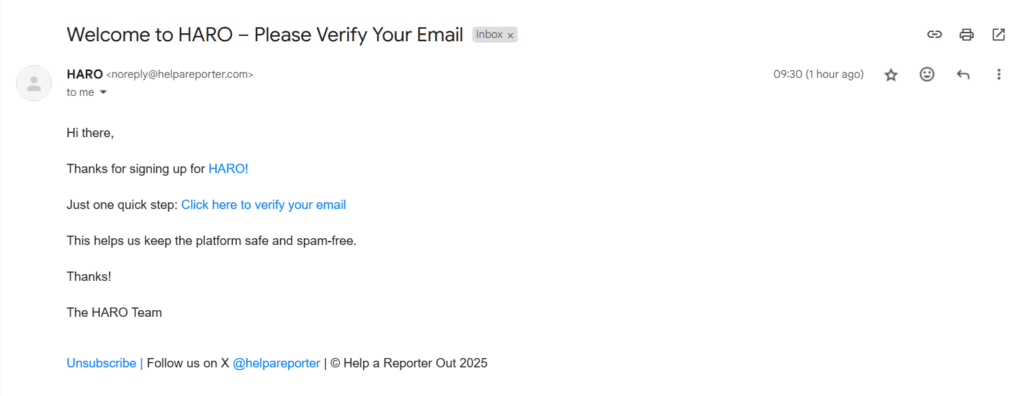
- Verification: Confirm your email to activate your account.
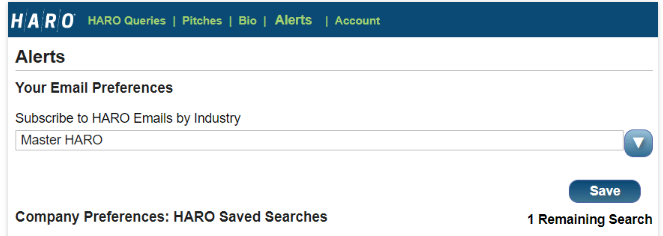
- Set Preferences: In the “My HARO” dashboard, select specific industries to ensure you receive relevant queries.

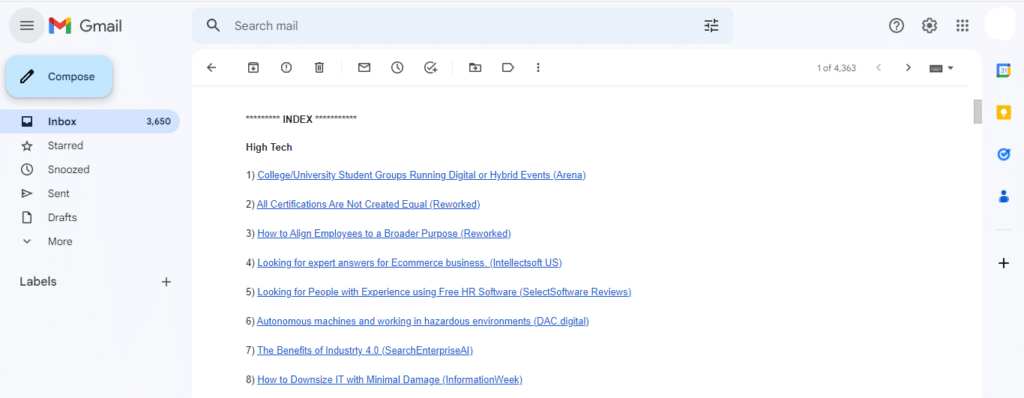
- Monitor Inboxes: You will receive daily emails containing lists of queries. Speed is essential here.
How To Find HARO Links In 5 Steps
Success with a HARO link building strategy requires persistence. Expect a 4–8 week window between a successful pitch and a published link. Relationship building with reporters is the long-term goal.
Step 1: Set Up Filtered Searches
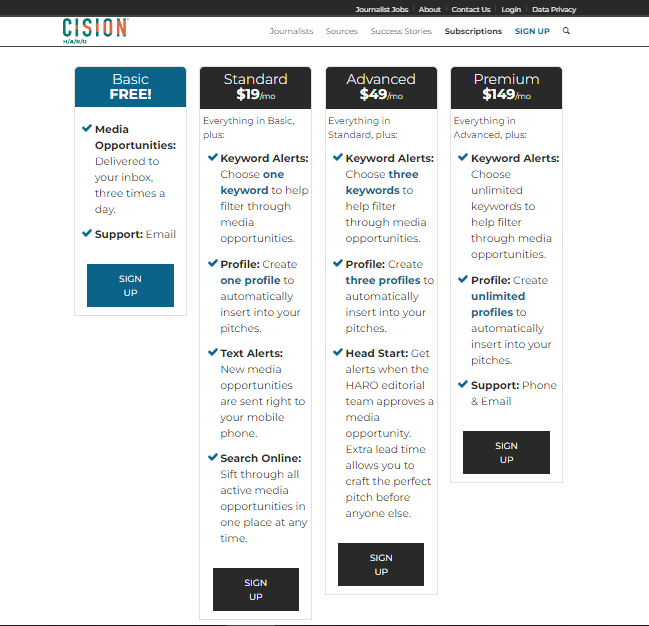
Generic daily digests are often overwhelming and outdated by the time you read them. To compete with professional agencies, you need filtered keyword alerts.
Pro Tip:
Paid plans allow you to set specific keyword alerts. This ensures you are notified immediately when a query matches your expertise.
Step 2: Handpick Relevant, Qualified Queries
Efficiency is key. Do not pitch for queries where you don’t meet the stated requirements (e.g., “Must be a licensed doctor”). Spamming journalists will lead to your email being blacklisted.
Step 3: Investigate Domain Authority
Your time is finite. Prioritize publications with a high Domain Rating (DR) and healthy organic traffic. Avoid “link farms” or sites that exist only to sell links.
Metric Check:
Prioritize sites with 10k+ monthly traffic and a DR of 50+. A link from a relevant niche site is often more valuable than a generic high-DR site.
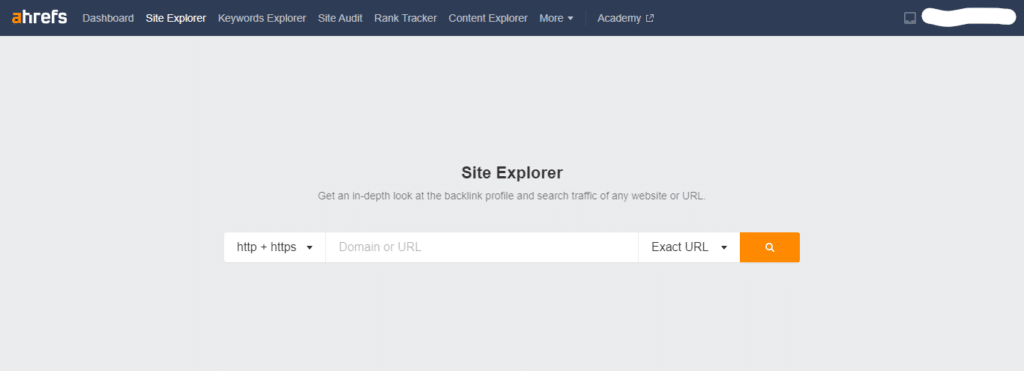
- Use Ahrefs’ Site Explorer to verify domain health.
Step 4: Respond Instantly
Journalists often pick the first 3–5 high-quality responses they receive. If you wait 24 hours to respond, the opportunity is likely gone.
Step 5: Make Your Pitch Unique
Avoid AI-generated fluff. Provide a unique “hook” or a data-backed insight that a journalist can’t find elsewhere.
Case Study: 0 to 45 DR in 90 Days
The Problem: A new B2B SaaS startup had zero backlink profile and couldn’t rank for competitive terms.
The Solution: Implemented a 30-day aggressive HARO link building strategy, responding to 3 queries daily within 60 minutes of the alert.
The Result: Secured 12 HARO links from Forbes, TechCrunch, and Business Insider. Domain Rating increased from 0 to 45, and organic traffic grew by 400%.
Interactive Asset: The 5-Point Pitch Checklist
- [ ] Subject Line: Includes “HARO Response: [Query Name] – [Your Expert Title]”
- [ ] The “Why Me”: One sentence establishing your E-E-A-T (credentials).
- [ ] The Quote: 2-3 short, punchy paragraphs ready for copy-paste.
- [ ] Headshot/Links: Link to a professional headshot and your LinkedIn profile.
- [ ] Formatting: Used bullet points for readability.
Template: The “Expert Insight” Pitch
Hi [Journalist Name],
Regarding your query about [Topic], I wanted to share a specific insight based on my [Number] years of experience in [Industry].
[Expert Quote]: “[Insert 2-3 sentences of unique, non-obvious advice here].”
I’ve attached my bio and a link to a high-res headshot below. Happy to provide more detail if needed!
Best,
[Your Name]Tips To Use HARO For Link Building Like A Pro
Don’t Focus TOO Much On Metrics
Relevancy often trumps DR. A link from a DR 40 industry-specific blog can drive more qualified leads than a DR 80 news site.
You Need The Paid Plan
The “Standard” plan is necessary for serious HARO link building. The ability to set alerts and save a media bio saves hours of manual work every month.
Study & Improve Your Pitches
Note:
Track your “Win Rate.” If you send 50 pitches and get 0 links, your “hook” or credentials need refinement.
FAQs About HARO Link Building
What Is HARO?
HARO (Help A Reporter Out) is a platform that connects journalists needing expert sources with individuals or businesses looking for media coverage and backlinks.
Are There Alternatives To HARO?
- Featured: The current owner of the HARO brand, excellent for B2B.
- Terkel/Featured.com: Heavily automated and great for high-volume outreach.
- Help A B2B Writer: Specific to the B2B sector with high-quality filtered requests.
- Qwoted: A modern alternative with better journalist-source matching tools.
HARO Link Building Is Still Essential SEO
Building high-authority HARO links is about providing value at scale. By following this 5-step framework, you can earn editorial placements that traditional outreach simply can’t match.
Need expert help scaling your HARO link building strategy? Reach out to Serpreach today!
For more link building strategies, see our outreach guide, 20-point checklist, and pricing breakdown.
Disclosure
SERPreach uses HARO as one of many link building strategies for clients. We also offer niche edits and guest posting.
References
- Editorial.Link. (2025). Link Building Statistics: 518 Experts. editorial.link
- HaroLinkBuilding.com. (2026). Is HARO Worth Using in 2026? harolinkbuilding.com
- ContentMation. (2026). HARO & Connectively Strategy. contentmation.com
- Outreach Monks. (2025). HARO Link Building Guide. outreachmonks.com

