
By Sabahat Ali – Link building expert since 2009 – 668+ clients served
KEY STATISTICS
- US veterinary services market: $42.81 billion (2025), projected $77.47 billion by 2035 [PetDesk]
- 46% of Google searches have local intent – critical for vet practices [DVMelite]
- 76% of “near me” searchers visit a business within a day [DVMelite]
- 70% of emergency vet searches happen on mobile phones [DVMelite]
- 68 million US dog households, 49 million cat households [APPA]
- 1,278% increase in ChatGPT referral traffic to vet clinics (Jan 2025 to Jan 2026) [Vetcelerator]
While veterinary care is a physical service, your practice’s growth depends heavily on your digital footprint. Pet owners no longer rely on word-of-mouth alone; they turn to search engines to find immediate care for their animals.
The data confirms this shift: 83% of people search online daily for local businesses, and over 40% trust search engines above all other sources when making local service decisions — SOCi CBI, 2025.

Effectively implemented seo for veterinarians ensures your clinic appears at the exact moment a potential client searches for “emergency vet near me” or “veterinary dental care in [your city].” Without a dominant search presence, your clinic is essentially invisible to the modern pet owner.
In short: if your clinic isn’t appearing on the first page of Google, you are conceding local market share to competitors who have prioritized their digital visibility.
This guide outlines the technical and strategic framework for veterinarians seo, from local optimization basics to advanced link building for veterinarians designed to drive high-intent traffic.
Why does local SEO matter for veterinarians?
Featured Snippet: Local SEO for veterinarians is the process of optimizing your online presence to attract more business from relevant local searches on Google. It focuses on capturing high-intent “near me” queries by optimizing your Google Business Profile, local keywords, and building veterinarians backlinks to establish geographic and industry authority.
Buying intent
When a pet faces a medical crisis, owners perform high-intent searches. They aren’t looking for general information; they are looking for a solution. Terms like “emergency vet near me” or “best veterinarian in [city]” signal an immediate need to book an appointment. High rankings for these keywords translate directly into patient volume.
Optimization
Ranking for these terms requires a multi-faceted approach to seo for veterinarians:
- Google Business Profile (GBP): Maintaining an accurate profile with current hours, specific veterinary services, and high-quality photography.
- Geo-Targeted Landing Pages: Creating dedicated pages for every suburb or city you serve to capture hyper-local traffic.
- Localized Content: Publishing articles addressing specific local needs, such as “ticks common to [Your City]” or “pet licensing in [County].”
Intent + optimization = traffic
Strategically matching search intent with technical optimization creates a reliable pipeline of qualified leads. By positioning your clinic as the most accessible and authoritative local option, you convert searchers into long-term clients.
How to build a high-performing veterinary website
A website for a veterinary practice must act as a digital conversion engine. It should prioritize user experience (UX) to facilitate easy booking while meeting Google’s core web vitals.
| Must-haves | SEO & Conversion Impact |
|---|---|
| Mobile-responsive design | Essential for “on-the-go” emergency searches. |
| Page speed optimization | Reduces bounce rates and improves SERP rankings. |
| HTTPS / SSL Security | Crucial for E-E-A-T and protecting client data. |
| Intuitive UX/Navigation | Ensures pet owners find service details instantly. |
| Direct Call-to-Action (CTA) | Drives immediate appointment bookings. |
Make it mobile-friendly and fast
Google uses mobile-first indexing. Your site must be optimized for small screens, featuring click-to-call buttons and compressed images to ensure rapid load times even on cellular networks.
Include key pages that pet owners expect
Comprehensive service pages (Surgery, Wellness, Diagnostics), detailed veterinarian bios to establish trust, and a seamless online booking portal are mandatory. These pages provide the “meat” that search engines need to index your site for specific service-related keywords.
Use internal links to guide visitors
Strategic internal linking—connecting a blog post about “Puppy Nutrition” to your “Wellness Exams” service page—distributes link equity throughout your site and helps Google understand the relationship between your content and services.
What can link building do for your veterinary practice?
Link building for veterinarians is the process of acquiring hyperlinks from other high-authority websites to your own. In the eyes of search engines, these links serve as third-party endorsements of your expertise.
Compare Link Building Strategies
| Link Type | Effort Level | SEO Value |
|---|---|---|
| Local Directories | Low | Foundational/Local Trust |
| Niche Edits | Medium | High Authority & Relevance |
| Guest Posting | High | Maximum Authority & E-E-A-T |
Then, leverage it to improve authority
Backlinks are a primary ranking factor. Veterinarians backlinks from reputable medical or pet-related domains signal to Google that your practice is a credible leader in the field, leading to sustained improvements in organic search positions.
More importantly, focus on quality over quantity
Avoid spammy, low-quality link schemes. Instead, target high-value sources such as:
- Local Chambers of Commerce and business associations.
- Authority pet health blogs and animal rescue organizations.
- Professional directories like the AVMA or state-specific veterinary boards.
If out of depth, outsource it to SERPReach
Executing an effective veterinarians link building campaign requires significant outreach and relationship management. SERPReach specializes in securing placements on niche-specific, high-authority sites that move the needle for veterinary clinics, allowing you to focus on animal care.
Climbing the search results: How to get seen
Visibility is binary: you are either on the first page or you are invisible. Achieving a top-three ranking requires a balance of technical precision and authority building.
Case Study: Local Clinic Growth
Problem: A mid-sized clinic in Austin was buried on page 4 for “dog dental cleaning Austin.”
Solution: We implemented a strategy focused on veterinarians link building from local pet bloggers and optimized their service page with long-tail keywords.
Result: Within 4 months, the clinic reached the #2 spot for their primary keyword, resulting in a 35% increase in dental appointment inquiries.
Understand what impacts your ranking
Google’s algorithm prioritizes three core pillars for veterinary sites:
- Backlink Profile: The quantity and quality of external sites linking to you.
- Content E-E-A-T: (Experience, Expertise, Authoritativeness, and Trust) demonstrated through high-quality, medically accurate content.
- Technical Soundness: Proper site architecture, schema markup, and mobile performance.
Take action to boost visibility
- Build dedicated landing pages for every specialized service you offer.
- Acquire veterinarians backlinks through community involvement and digital PR.
- Regularly audit your site for technical errors like 404s or slow-loading scripts.
Create relevant content that attracts pet owners
Content marketing for seo for veterinarians isn’t about vanity; it’s about solving problems. When you answer a pet owner’s question, you capture them at the top of the marketing funnel.
Write about what pet owners are googling
Target educational topics that address common anxieties:
- Emergency protocols: “What to do if your dog eats a grape.”
- Symptom checkers: “Recognizing early signs of feline kidney disease.”
- Preventive care: “The essential puppy vaccination timeline.”
Match content to search intent
Ensure your content provides the specific depth the user is looking for. An owner searching for “senior dog care” wants a comprehensive guide, not a short blurb. In-depth content ranks better and builds higher trust.
Use long-tail keywords and internal links
Instead of just targeting “veterinarian,” target “best senior dog veterinarian in [City].” Use professional tools like Ahrefs to identify these opportunities.
- Open Keyword Explorer and enter your core service.
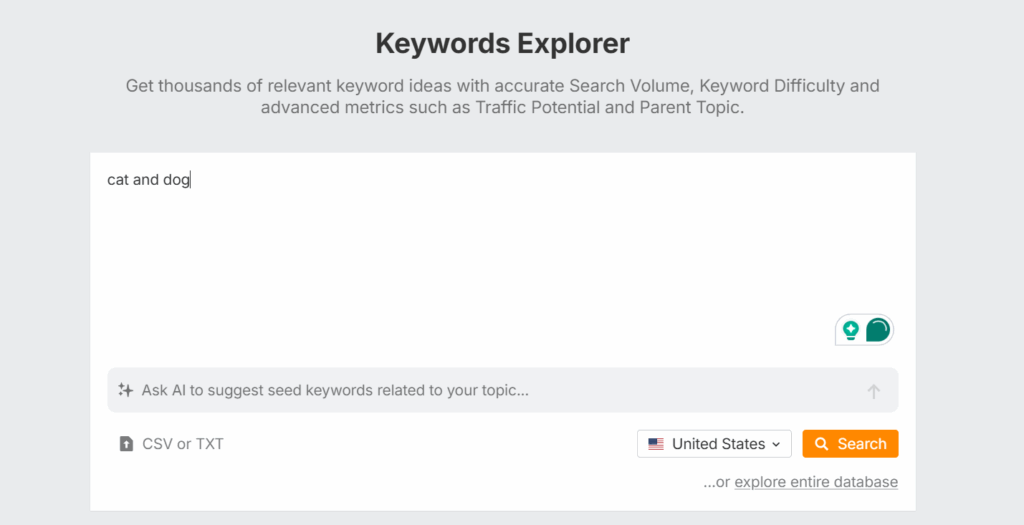
- Filter for “Questions” or “Matching Terms” to find low-competition, long-tail phrases.
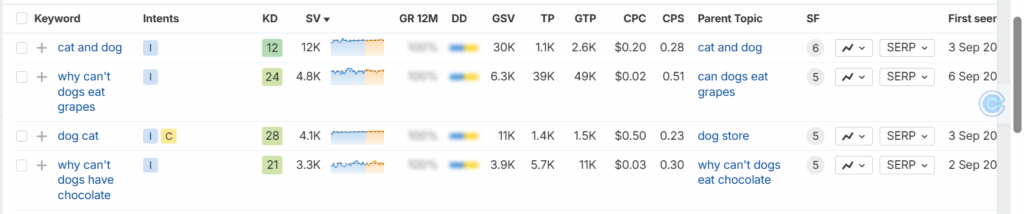
Pro Tip: Use Google Search Console to track which questions are already driving traffic to your site and expand on those topics.
Don’t forget meta descriptions and on-page SEO basics
On-page optimization tells Google exactly what a page is about. It is the foundation upon which all veterinarians link building rests.
Write click-worthy meta descriptions
Your meta description is your “ad” in the search results. Keep it under 155 characters, include a target keyword like veterinarians seo, and provide a clear benefit.
Example: “Top-rated Austin veterinarian offering same-day emergency visits and wellness exams. Trusted care for dogs & cats. Book your appointment online today!”
Don’t skip these on-page basics
- Header Hierarchy: Use H1 for titles and H2/H3 for subsections to improve scannability.
- Alt Text: Describe every image for accessibility and SEO.
- Keyword Placement: Include your primary keyword in the first 100 words and naturally throughout the text.
Business optimization beyond the website
For a local practice, off-site optimization is just as important as your website’s performance. Your Google Business Profile (GBP) is often the first thing a user sees.
Claim and optimize your Google Business Profile
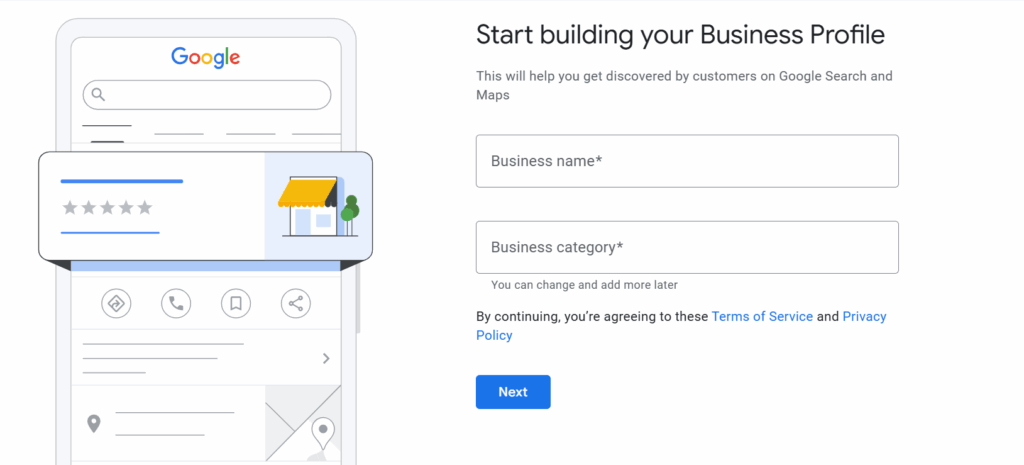
To dominate the “Map Pack,” you must:
- Select precise categories (e.g., Emergency Veterinary Service vs. just Veterinarian).
- Upload high-resolution images of your facility, exam rooms, and staff.
- Utilize the “Q&A” and “Posts” features to keep the profile active.
Keep NAP consistent everywhere
NAP (Name, Address, Phone number) consistency is a major local ranking signal. If your address is listed differently on Yelp than on your website, Google views your business as less reliable. Audit your citations regularly.
Make booking easy and visible
Remove all friction from the conversion process. Integrate your booking software directly into your GBP and website. Every extra click required to book is an opportunity for a client to choose a competitor.
How online reviews impact your SEO and reputation
Reviews are a primary factor in both local search rankings and consumer trust. In the veterinary industry, reputation is everything.
Interactive Asset: Review Management Checklist
- Ask: Have a “Review Request” script for front-desk staff.
- Automate: Send a follow-up email/SMS 2 hours after the visit.
- Respond: Reply to 100% of reviews (Positive = Thank you; Negative = Professional resolution).
- Showcase: Embed your best Google reviews on your homepage.
Reviews signal trust to Google (and pet owners)
Velocity (how often you get reviews) and diversity (keywords used in reviews) are significant ranking signals. Google wants to see that you are consistently providing a service people value.
Always respond, even to negative reviews
A professional response to a negative review can actually improve your reputation. It shows potential clients that you are accountable and dedicated to patient satisfaction.
Building a long-term SEO strategy for your vet clinic
SEO is an ongoing investment, not a project with a finish line. The goal is to build a “moat” around your practice that competitors cannot easily cross.
Play the long Game, not the quick fix
Search engines prioritize stability and authority. A consistent schedule of content production and link building for veterinarians will yield compounding results over years, reducing your reliance on expensive paid advertising.
Cover all core SEO components
A sustainable strategy must balance:
- Content: Providing expert answers to pet health questions.
- Technical: Ensuring a fast, secure, and mobile-optimized site.
- Backlinks: Acquiring high-authority veterinarians backlinks to boost domain power.
- Reputation: Actively managing and growing your online review profile.
Avoid the DIY trap
Effective seo for veterinarians requires specialized knowledge of search algorithms and medical-grade content standards. Attempting to manage this in-house often leads to sub-optimal results and wasted time.
Partner with SERPReach to implement an expert-led strategy that focuses on high-authority veterinarians link building and technical SEO to drive measurable growth for your practice.
Final thoughts: Start small, scale smart
You don’t need to tackle every SEO challenge today. Focus on these high-impact priorities first:
- Claim and fully optimize your Google Business Profile to capture map traffic.
- Identify 3-5 high-intent “near me” keywords and build optimized service pages for them.
- Audit your site’s mobile speed and fix any critical technical errors.
Consistent, incremental improvements are the key to ranking. While organic SEO takes time, you can accelerate your results by securing high-quality veterinarians backlinks and leveraging professional seo for veterinarians.
Explore our specialized niche edit service and guest post backlinks to give your practice the competitive edge it needs to dominate local search.
For link building pricing in healthcare niches, see our pricing guide. For local strategies, see our local link building guide.
Disclosure
SERPreach offers niche edits and guest posting for veterinary practices and healthcare businesses.
References
- PetDesk. (2025). Veterinary Industry Statistics. petdesk.com
- DVMelite. (2026). 22 Veterinary SEO Tips. dvmelite.com
- APPA (American Pet Products Association). Pet Industry Statistics. americanpetproducts.org
- Vetcelerator. (2026). AI Veterinary Marketing. 1,278% ChatGPT referral increase. vetcelerator.com

