
By Sabahat Ali – Link building expert since 2009 – 668+ clients served
KEY STATISTICS
- Car dealer SEO case study: 147% traffic increase through strategic link building [The HOTH]
- Used car dealership grew from near-zero to 10K monthly visitors in 6 months [TechJackie]
- 145% organic traffic increase + 70% more test-drive bookings in 4 months [Marvel Web]
- 46% of Google searches have local intent [BrightLocal, 2025]
- 80% of webmasters who respond to outreach demand payment [Our data, 100K+ emails]
Ranking in search engines is essential for auto dealerships—especially when most buyers start online and many contact a dealership after searching (Invoca).
Many dealerships still lean heavily on paid ads, treating SEO as a “nice to have.” This is a costly mistake. Your website is your digital showroom. If pages don’t load fast, match search intent, or build local trust, you lose leads before a test drive is ever booked.
This guide provides a blueprint to:
- Fix the technical fundamentals blocking your rankings.
- Map keywords to specific buyer intent stages.
- Build local landing pages that actually convert.
- Execute link building for car dealers to boost authority.
- Track the KPIs that drive revenue: calls, forms, and appointments.
1. Optimize Your Website for Search Engines (Dealership Audit Checklist)
What is SEO for car dealers?
SEO for car dealers is the process of optimizing a dealership’s website and local listings to rank for hyper-local search queries. It involves technical site speed improvements, creating intent-matching inventory pages, managing Google Business Profiles, and building local citations to drive qualified leads—not just traffic.
Dealership SEO is won or lost on fundamentals. If your pages are slow, messy on mobile, or hard for Google to understand, content and link building won’t deliver their full value. Start here.
Improve Site Speed and Performance
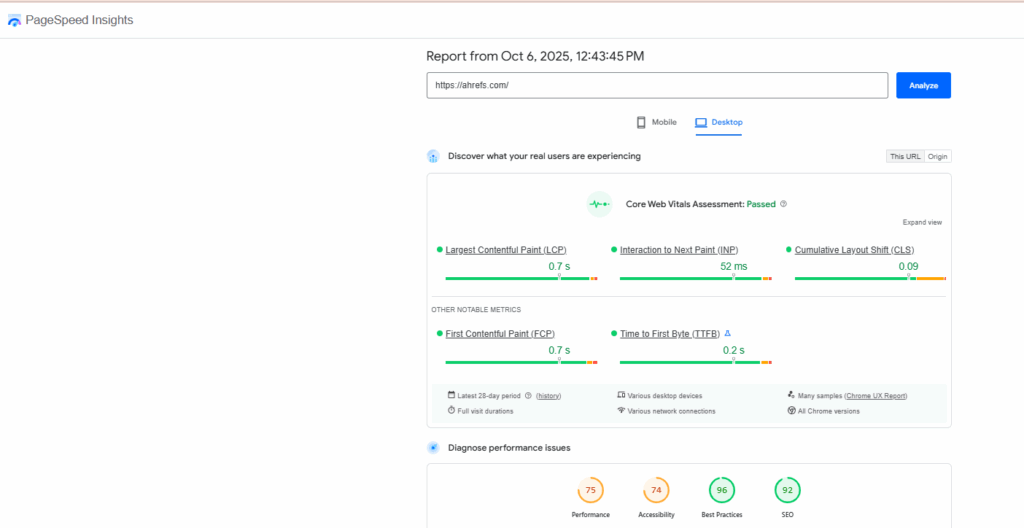
Run an audit in Google PageSpeed Insights. Speed is critical for dealers because inventory pages are image-heavy and mobile traffic is dominant. Focus on:
- Image Compression: Convert visuals to WebP format.
- Code Minification: Reduce heavy JavaScript and unused CSS.
- Caching: Implement aggressive browser caching.
- Hosting: Upgrade if your Time to First Byte (TTFB) is slow.
- CDN: Essential if you serve buyers across multiple regions.
Benchmark: Aim for Largest Contentful Paint (LCP) under 2.5 seconds. Stat: 53% of mobile users abandon a site that takes over 3 seconds to load (Think with Google).
Make It Mobile-Friendly (Non-Negotiable)
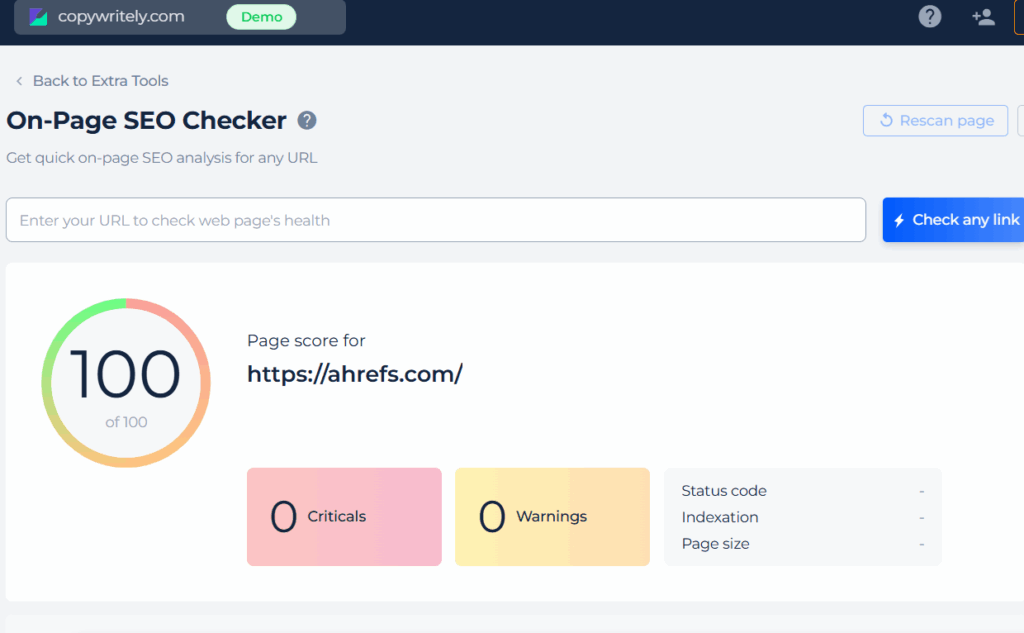
Most vehicle research happens on mobile. Test responsiveness using SiteChecker. Ensure:
- Text is readable without zooming.
- “Call Now” and “Map” buttons are easily clickable thumb targets.
- Filters and inventory forms function smoothly on touchscreens.
Add Structured Data (Help Google Understand Inventory)
Schema markup helps search engines display rich snippets. Implement:
- AutoDealer or LocalBusiness schema.
- Accurate address, hours, and service areas.
- Vehicle Inventory markup (Make, Model, Price, VIN).
- Review schema (ensure compliance with Google’s guidelines).
Secure and Clean Your Site
- Enforce HTTPS/SSL globally.
- Redirect broken links (404s) to relevant category pages.
- Monitor Google Search Console for indexing errors daily.
2. Target the Right Search Intent (So Your Pages Match What Buyers Want)
Effective SEO isn’t about ranking for more keywords—it’s about ranking for the right keywords. Dealers often fail here by sending “research” traffic to “sales” pages, resulting in high bounce rates.
Understand Buyer Intent

Source: HubSpot
Align your content strategy with where the buyer is in the funnel:
| Intent Stage | User Goal | Best Page Type |
|---|---|---|
| Informational | Researching problems or models. | Blog guides, “How-to” articles. |
| Commercial | Comparing specific vehicles. | Comparison pages (e.g., F-150 vs. Silverado). |
| Transactional | Ready to buy or test drive. | Inventory hubs, VDPs (Vehicle Detail Pages). |
Informational Intent (Top-of-Funnel)
Answer questions to build trust. Link these pages to your inventory:
- “Best SUVs for large families in 2025”
- “How to finance a car with bad credit”
Commercial Intent (Comparison Stage)
Help the user choose your vehicle over a competitor’s:
- Model vs. Model comparisons.
- Trim level breakdowns (e.g., “LE vs XLE”).
Transactional Intent (Ready to Act)
The money makers. Optimize these for conversions:
- Inventory hubs: “Used Ford Trucks in [City]”
- Special offers: “Lease deals under $300”
- Clear CTAs: “Get Today’s Price,” “Value Your Trade.”
Navigational Intent (Brand Searches)
Ensure users can find you specifically:
- Verify NAP (Name, Address, Phone) consistency.
- Ensure “Contact Us” and “Service Center” pages are easily accessible.
How to Map Keywords to Pages (Practical Workflow)
Use tools like Ahrefs or Semrush to identify long-tail keywords. Example: “Used Honda Civic under $20K in Houston” maps to a filtered inventory category page, not a blog post.
Execution tip: Avoid keyword cannibalization. Assign one primary keyword per page.
3. Strengthen Local SEO With Pages That Rank and Convert
Local SEO drives the phone calls and walk-ins that sustain dealerships.
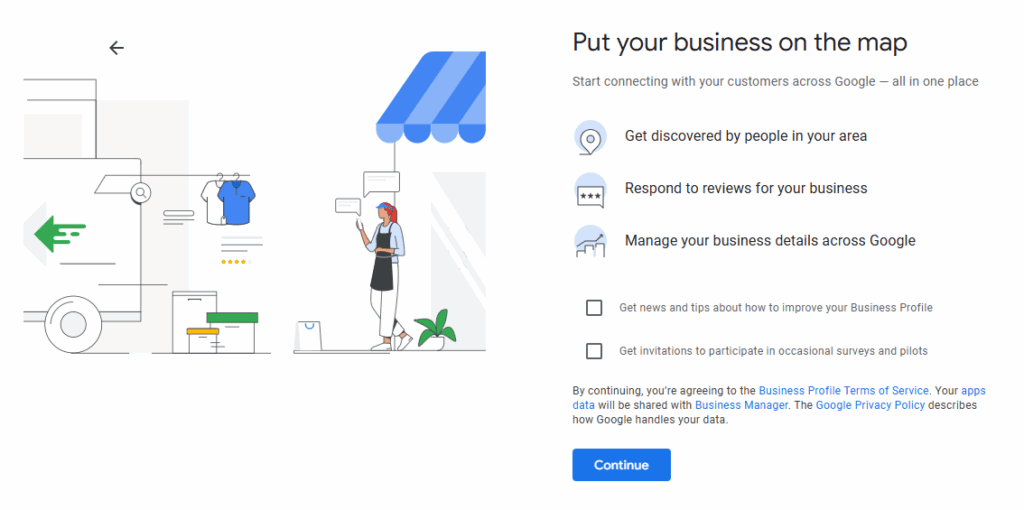
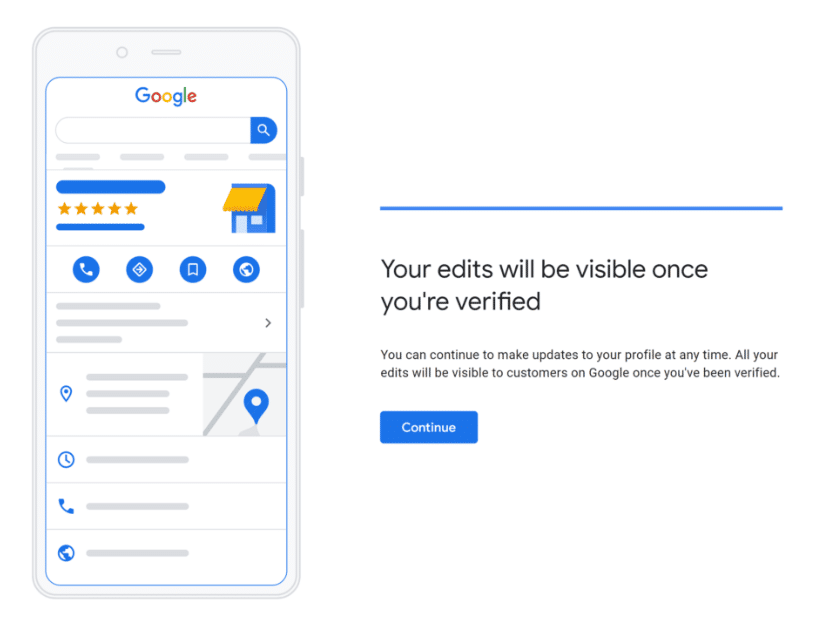
Optimize Your Google Business Profile (GBP)
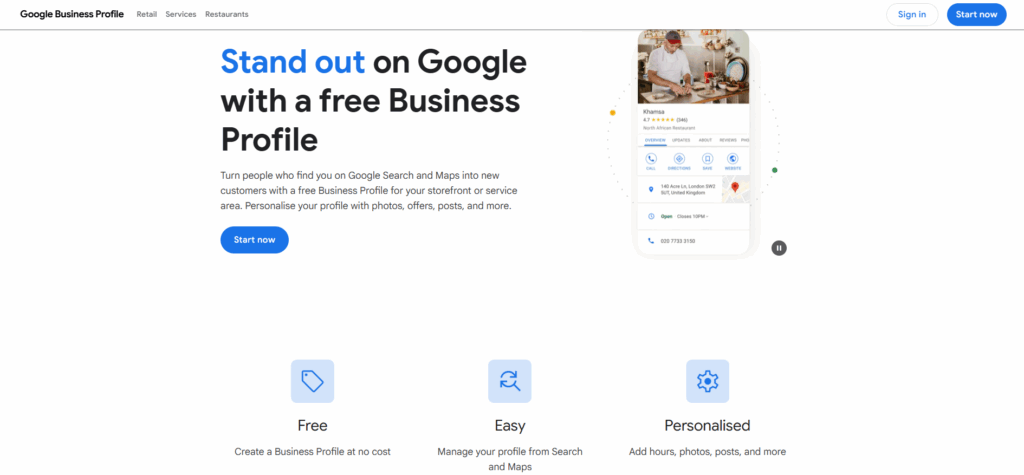
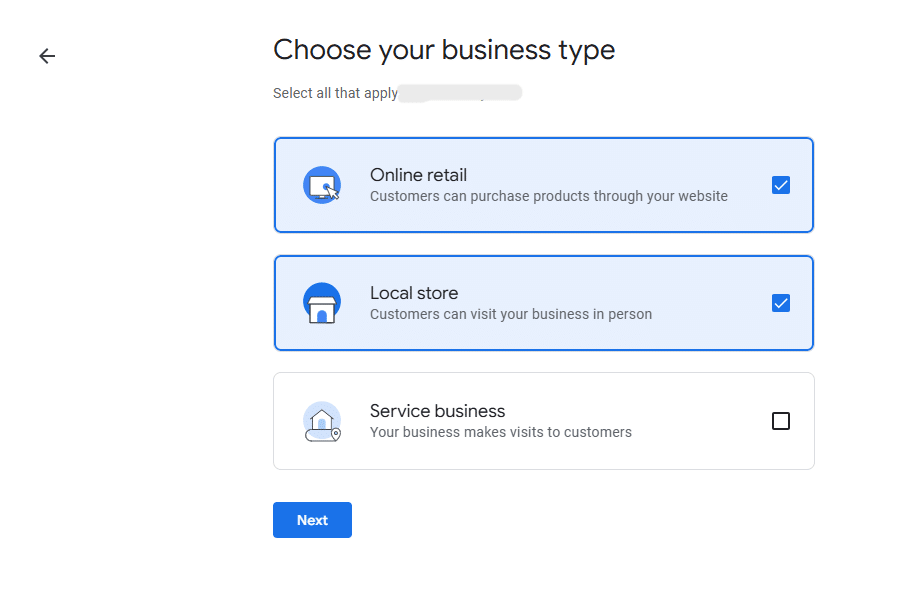
Your GBP is your second homepage. Manage it aggressively:
- Verification: Claim and verify immediately.
- Categories: Select the correct primary (e.g., “Ford Dealer”) and secondaries (“Used Car Dealer,” “Car Repair”).
- Details: Add accurate NAP, hours, and website URL.
- Visuals: Upload high-quality photos of the lot, team, and happy customers.
- Engagement: Respond to reviews within 24 hours.
- Updates: Post weekly offers and news.
Create Location-Specific Landing Pages
Don’t use thin cookie-cutter templates. For each service area, build a page that includes:
- Local inventory highlights.
- Neighborhood-specific driving directions and maps.
- Community involvement or local reviews.
- LocalBusiness schema markup.
Use Local Directories for Trust
Reinforce your NAP consistency by listing on reputable platforms:
- Yelp
- Cars.com
- AutoTrader
Interactive Asset: Review Request Script
Reviews fuel Local SEO. Copy and paste this script for your sales team to email customers 24 hours after purchase:
Congratulations again on your new [Make/Model]! It was a pleasure helping you find the right vehicle.
Could you do me a quick favor? We’re trying to help more local drivers find reliable service. Would you mind taking 30 seconds to share your experience on Google?
[Insert Direct Google Review Link Here]Thanks for choosing us,
[Salesperson Name]
Content Marketing That Helps Sell Cars
Create content tied to local demand, such as “Best SUVs for winter driving in [City].” Always link this content back to your relevant inventory hubs.
4. Build High-Quality Backlinks That Increase Local Authority
To compete in competitive markets, you need backlinks for car dealers that signal local relevance, not just global metrics.
Local Partnerships (High ROI)
Build relationships that result in links:
- Sponsorships: Little League teams, charity 5Ks, and local festivals often have “Sponsors” pages.
- Chambers of Commerce: A high-trust local signal.
- B2B Partners: Ask for links from your detailing partners or insurance agents.
Create Link-Worthy Dealer Content
Publish resources that local organizations want to cite:
- Local ownership guides (registration fees, city parking rules).
- Community safety checklists (winter prep, teen driving tips).
PR and Industry Listings
- Submit to automotive-specific directories.
- Pitch genuine local news stories (new facility opening, major charity donation) to local papers.
Monitor Your Backlink Profile
Use Ahrefs or GSC to track link building for car dealers efforts:
- Identify new links.
- Disavow toxic spam links.
- Spy on competitors to find their local link sources.
Learn how to fix toxic backlinks
5. Real-World Example: Fixing a Dealer’s Traffic Quality
When dealers align intent with technical execution, the results are measurable. Here is a real-world scenario of a dealership turning traffic into leads.
The Problem: A mid-sized dealership had high blog traffic for “car history” terms but very few local test drive bookings. Their “near me” rankings were stuck on page 2.
The Solution (Strategy Applied):
- Intent Shift: We redirected generic blog traffic to a new “Certified Pre-Owned” inventory hub using aggressive internal linking.
- Local Authority: The dealer sponsored three local high school sports teams, earning 3 high-authority .edu/.org local backlinks.
- GBP Optimization: They began uploading photos of every “sold” car (with customer permission) to their Google Business Profile weekly.
The Result (90 Days Later):
- Rankings: “Used SUVs [City]” moved to Position 2.
- Conversions: GBP phone calls increased by 40%.
- Sales: Assisted conversions from the blog increased by 15% year-over-year.
6. A 30–60–90 Day Execution Plan (Do This in Order)
Days 1–30: Foundation
- Complete PageSpeed and Mobile usability fixes.
- Resolve all Google Search Console errors.
- Map current pages to specific keyword intent.
- Update GBP with correct categories and fresh photos.
Days 31–60: Content + Internal Links
- Publish 4–6 intent-driven buying guides.
- Build internal links: Guide → Category Hub → Convert.
- Launch dedicated landing pages for top 3 service cities.
Days 61–90: Authority Building
- Secure 3–5 local backlinks (sponsorships or partnerships).
- Implement the “Review Request” email script.
- Audit competitors and steal one of their top link sources.
What to Track (KPIs That Matter for Dealerships)
Stop staring at vanity metrics. Track:
- Organic Leads: Calls and form fills from search traffic.
- Local Visibility: Map pack rankings for “near me” terms.
- CTR: Click-through rates on high-value inventory pages.
- Conversion Rate: Percentage of visitors who book a test drive.
Final Word: SEO Is Worth It for Dealers Who Execute Consistently
Dealerships win at SEO by treating it as a system: fix the tech, map the intent, dominate local search, and build authority.
Need help with link building for car dealers or technical strategy? SERPReach specializes in automotive SEO—let us handle the rankings so you can focus on moving metal.
For general link building strategy, see our pricing guide, beginner checklist, and SEO timeline guide.
Disclosure
SERPreach provides niche edit and guest posting services for automotive businesses.
References
- BrightLocal. (2025). Local Consumer Review Survey. brightlocal.com
- The HOTH. (2025). Car Dealer SEO Case Study: 147% Traffic Increase. thehoth.com
- TechJackie. (2025). Automotive SEO Case Study: 0 to 10K Traffic. techjackie.com
- Promodo. (2025). Rolls Auto Sales SEO Case Study. promodo.com
- Marvel Web Solution. (2025). SEO Case Studies for Auto Industry. marvelwebsolution.com

